

Important Questions You Should Ask Your Child’s Pediatrician Important Questions You Should Ask Your Child’s Pediatrician
There are many things to think about as a parent when it comes to your child’s growth. It can be overwhelming, and many parents are not prepared for checkups. The most pressing concern of any parent is how to choose a pediatrician. Once you picked the right one for your kid, you have to visit them frequently. At first, you will see your doctor once a week, then it will be once a month, but after that, it will be every three months.
Many things can happen during this time. As a doctor, I give my patients and their parents a lot of time to ask questions during our appointments. Many people don’t know what questions to ask or forget things they may have asked months ago. You can prepare for any medical appointment by doing these things to save time, reduce stress and make sure you get the answers you need. Below is a list of important questions that you can ask your child’s pediatrician:
Development Questions
Developmental questions (also known as your child’s milestones) are an excellent place to start. Online information is a helpful place to start, but be careful where you look. You can download the CDC’s milestones tracking app. You can impress your doctor if you start talking about what your child is capable of doing. These healthcare applications will help you stay informed and updated on your child’s progress. After listening to the updates, your doctor can give you tips on milestones, answer questions about other milestones and update you on what’s happening next.
Growth Chart Questions
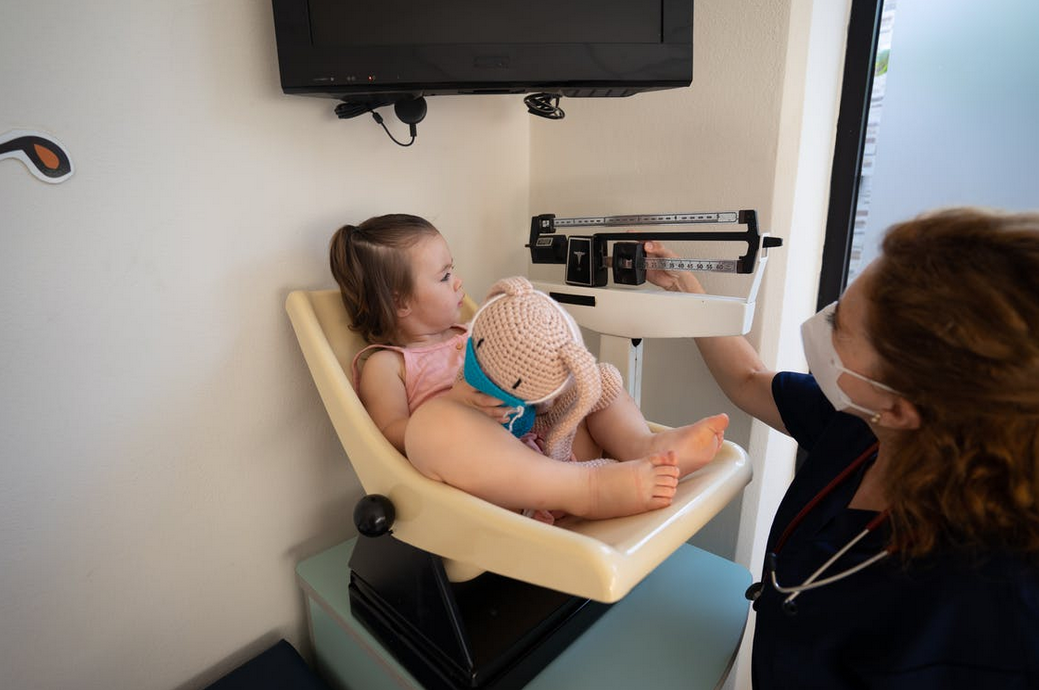
Parents want to know their baby’s percentiles. These charts are a way for parents to monitor their baby’s growth and give their pediatrician confidence. Following the same development is good for everyone, no matter what percentile they are in. The pediatrician should be notified if the child’s trajectory is not followed.
Feeding Chart Questions
 Ask your doctor for a feeding chart; this will help you navigate the feeding process. There are no set guidelines for feeding. Medical trends and your doctor’s experience will guide the feeding schedule. Consult with your pediatrician before changing the feeding schedule. Before making any changes to your child’s routine, it is wise and safe to talk with their pediatrician.
Non-Medical Questions
My patients have a variety of questions at each visit, many of which are non-medical. I am always happy to answer parents’ questions. I am even more pleased if they have written down their questions to remember them easily. The doctor can help with developmental, physical, nutritional, and other issues. But they can also talk about psychological, organizational, and travel issues. Ask your pediatrician anything that comes to mind. There are no dumb questions.…

 It’s not easy to stay fit. It’s hard to stay fit in modern life. We spend more time on our computers than ever before, and we are less active. This is why only 1 in 5 Americans get the recommended amount of
  Fishing brings out many powerful aspects. You’re first and foremost in nature. research shows that fishing has a huge effect on your mental well-being. Water is also a source of mood-boosting, negative ions and has a natural, meditative effect. This is just the environment. There are many perks to fishing. The exercise is well-known for making you feel good.

 It could indicate that your thyroid hormone levels are low. Insufficient thyroid hormone can cause a slowdown in metabolism. It decreases blood flow to the brain and leads to poor energy production. Besides, moderate thyroid hormone levels can increase the production of the stress hormone cortisol, which can further suppress thyroid function. It can lead to brain freeze, weight gain, and fatigue, as well as hypothyroidism. You may feel sluggish or slower than usual. Therefore, it would be better to see your doctor to check your thyroid.